I realised a long time ago that I lack the talent and skills to work effectively with children. I could barely hold their attention for a few minutes before they became distracted, bored, or fidgeted and yawned. I didn’t blame them; that’s just how children are, with their innocent and unfiltered honesty. So, it was quite surprising to discover later that, despite their apparent inattention, they had actually absorbed something from my stories. Nonetheless, I still find working with children to be the most challenging aspect of my ministry.
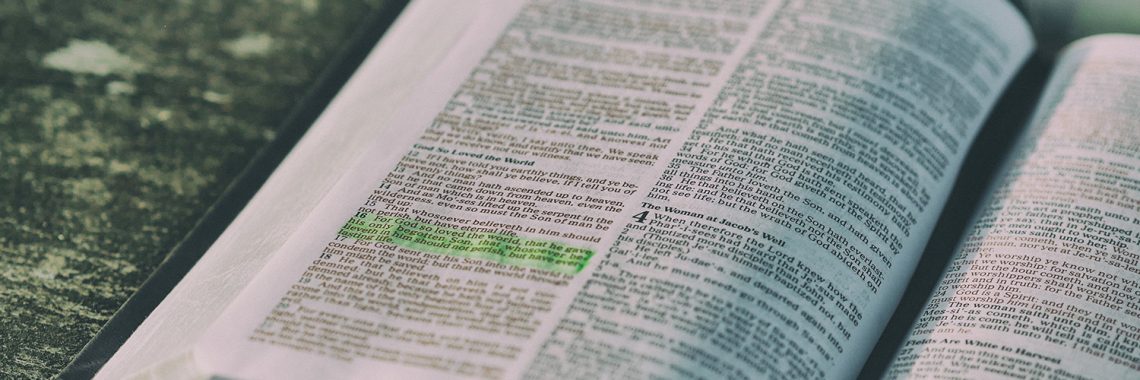
Unlike children, you have bravely stood through the reading of the long passage from the gospel without fidgeting or yawning too much (at least not visibly!). The story we just heard is quite significant, filled with complex language that can be hard to follow in detail, making it easy to become distracted. The conversation between Jesus and the Samaritan woman has many aspects and dimensions, making it virtually impossible to even touch base on all of them in just one sermon. So, I won’t try to do that. Instead, in a moment, I will give you some homework.
Generally speaking, the Word of God can be compared to a few ordinary things. At times, it’s like a mirror that we look into to check whether everything is as it should be. If not, it encourages us to make necessary improvements or changes. At other times, the Word of God acts like a lamp, illuminating the dark corners of our lives, filled with uncertainties and doubts. It can also resemble a distant light at the end of a tunnel or a lighthouse, providing hope and a sense of direction when we feel down or lost. In essence, the Word of God is something alive and active when we allow it to be so in our lives.
I would like to encourage you to read this passage from the gospel again when you are back at home, sitting comfortably and in this way, avoiding the discomfort of creaking knees or a sore back. Take a moment to reflect on something from the reading that resonates with your life, and allow yourself time to think it through. This process is called meditation. Don’t rush to quick conclusions or judgments. It’s important to let the Word of God sink in and penetrate deep into your soul. At the end of your meditation, you may find consolation and peace, uncover the roots of problems you’ve experienced, or feel prompted to take action regarding specific issues. There are many possible outcomes from meditation. Regardless of what you encounter, the main benefits of this spiritual exercise are the inner peace and integrity that you can achieve.
There are several clues in this passage of the Gospel that can help you understand it better, although this is not an exhaustive list. First, there are various rifts present: a divide between two unfriendly nations (the Jews and Samaritans), a divide between genders, and a divide between religions and their practices. Additionally, the woman’s complicated personal life; she has had five husbands, and her current partner is not her husband. Then there’s the question of what constitutes genuine religion. The significance of personal testimony and the role of involvement in missionary work are also important. There are many ways to look at this passage, and you may find aspects that reflect your own life. So, I’d like to encourage you to do your homework on this. The good news is that I won’t be checking whether you’ve done it; life will do that.

